HIGH SCHOOLS EDUCATIONAL PROGRAMS
LEARN ABOUT CRETAN TRADITIONS
Annual Educational & Instructional Programs
SECONDARY EDUCATION 2026–2027
In its ongoing effort to keep our ancestors' customs alive and instill a love for Cretan tradition in young people, the Museum of Rural History & Folk Art plays a leading role in the field of experiential learning. We invite students and educators to live unique and exciting experiences!
Common Objectives of All Initiatives:
-
Combining education and entertainment through experiential learning methods
-
Developing the senses and expanding imagination and spirituality
-
Raising awareness about the value of folk tradition and its diverse expressions
-
Raising awareness about the value of old objects and the need to preserve them
-
Effortlessly conveying an authentic image of past eras through fun, hands-on activities
-
Comparing yesterday’s lifestyle with today’s
-
Fostering a positive attitude toward visiting museums
-
Developing teamwork and collaboration skills
-
Enhancing overall knowledge levels
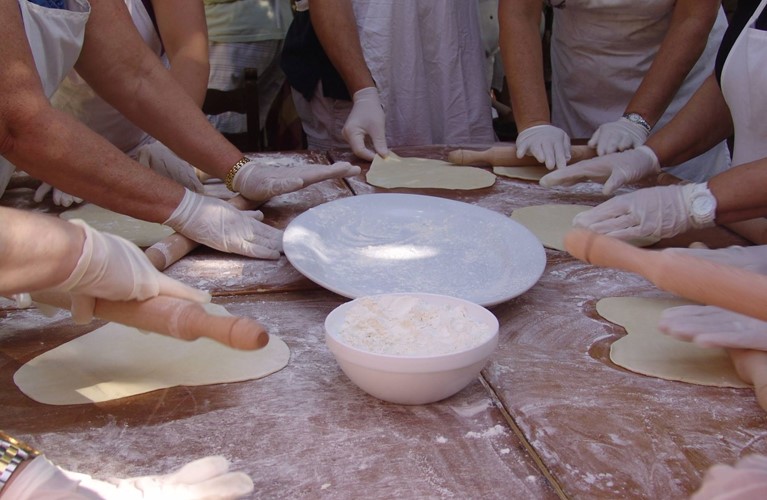
1. "Bread and Olive" — NUTRITION
"Man cultivated grains to knead bread, and cultivated the olive tree to harvest its precious treasure, olive oil. Both products form the cornerstone of the Cretan diet."
Production of wheat bread and an introduction to the olive oil production process.
-
Duration: 90 minutes
-
NOTE! After the initial 90-minute session, we wait an additional hour for the bread to bake so the children can take it with them.
2. "Cooking Tales" — NUTRITION
"A delicious journey into the world of traditional cuisine..."
The valuable Cretan diet, pure local ingredients, and traditional recipes! Preparation of traditional dishes followed by a tasting session!
-
Duration: 90 minutes
3. "The Soap Makers"
"Soap has traveled through history to cleanse and scent our clothes, fabrics, spaces, and bodies."
Students explore the history of soap from antiquity to the present day. We collect olive oils from the village housewives to create soap, scenting it with natural ingredients and packaging it.
-
Duration: 90 minutes
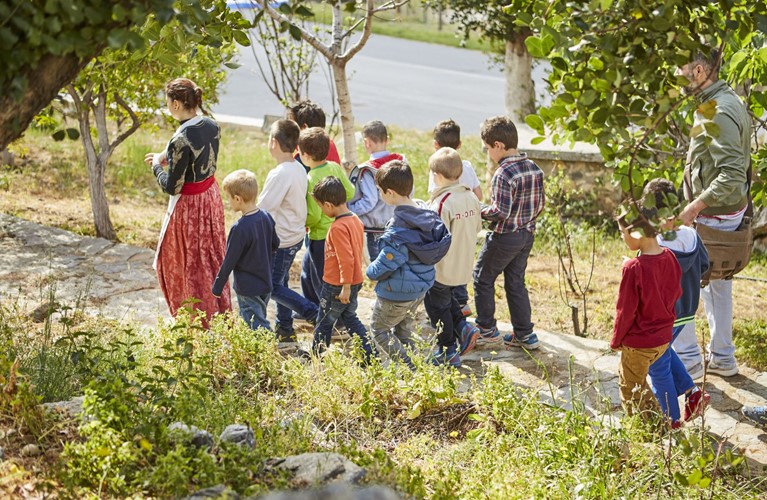
4. "Journey to Yesterday" — INTERACTIVE GUIDED TOUR
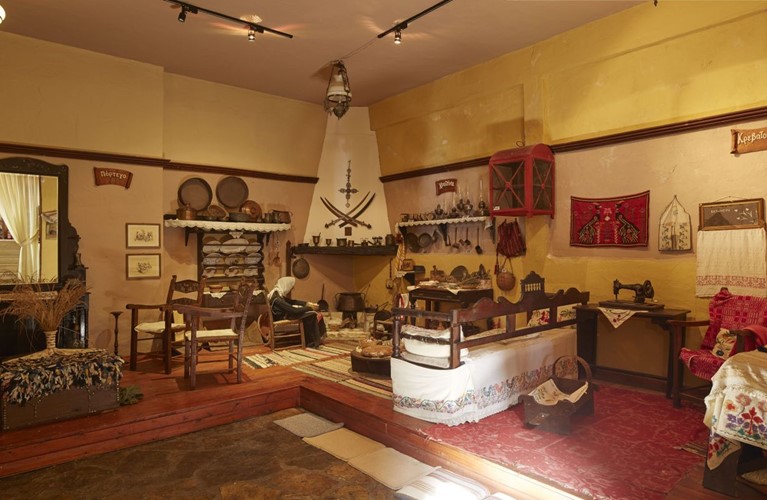
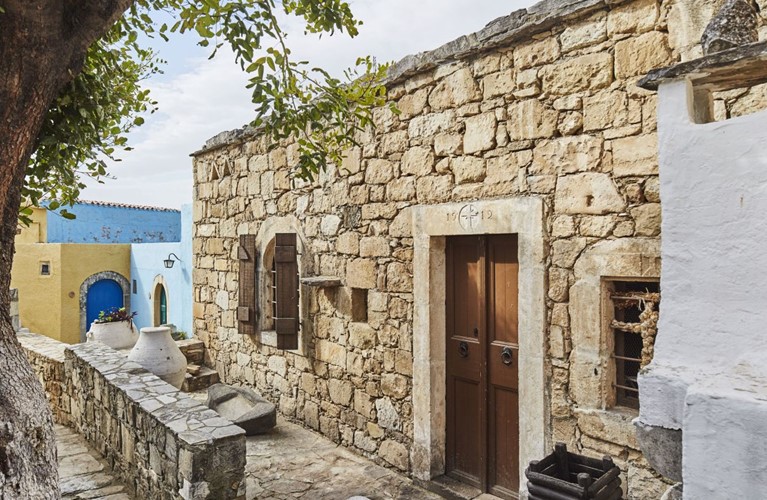
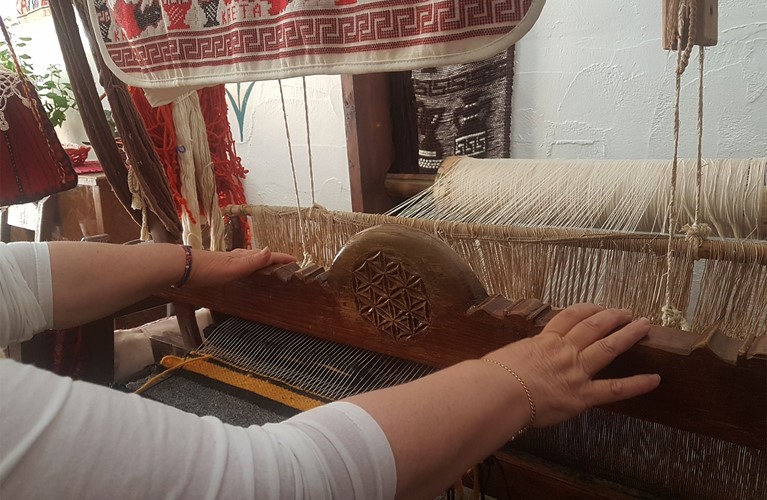
Discovering the village and the museum’s exhibits through an interactive, hands-on learning experience.
-
Duration: 120 minutes
5. Guided Visit
A general introduction and tour of the museum and the Arolithos complex.
-
Duration: 90 minutes
"Two-Day Getaway" — ACCOMMODATION & EDUCATION
A special proposal for students to combine their stay with rich experiential activities in a natural environment, enjoying delicious traditional Cretan cuisine. The two-day program combines learning, entertainment, experience, and knowledge through interactive games and activities designed to build teamwork and social connection.
GENERAL INFORMATION
-
Name Tags: To help us get to know the students, children must wear adhesive name tags with their first name written in large capital letters.
-
Clothing: Please inform the students to wear practical, comfortable clothing and suitable footwear.
-
Guidance: Remind students to follow the museum educator's instructions throughout the program.
-
Supervision: Please assist the educator so the students do not disrupt the flow of the program or the movement of other museum visitors.
-
Confirmation: Don't forget to contact the Museum 2 days prior to confirm your participation.
-
Pre-visit Meeting: It would be very useful if you could visit the Museum prior to your educational program so we can meet and discuss any program-specific details.
-
Lending Library: The Museum operates a lending library that you are welcome to consult if you require any educational material.
-
Teacher Presence & Evaluation: Your presence during the program is essential to enable classroom discussion of the experience afterward and to evaluate the program. Completing our evaluation questionnaire helps us learn from your impressions and review your feedback. Based on your suggestions, we continuously improve our educational programs to meet your standards.
Please contact us for any clarifications and to plan your school visit.
Phone: +30 2810 821 050 / Email: museum@arolithos.com
We wish you every success in your pedagogical work!